


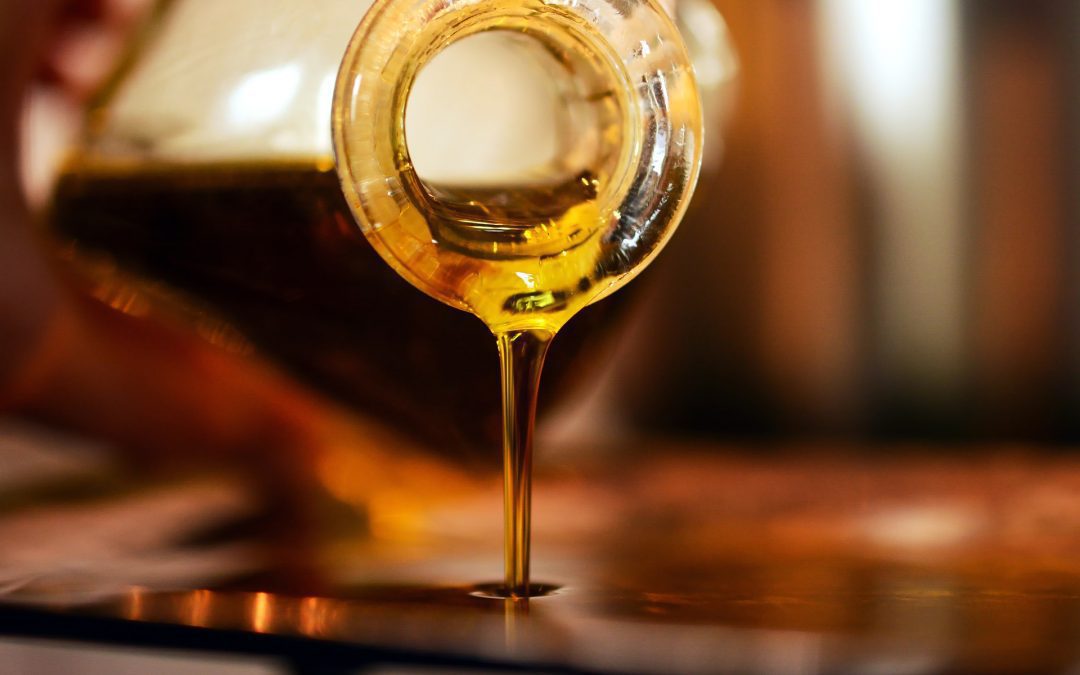
Today we're going to talk about the most common oil, the one most people use: olive oil. What do you know about this oil and its benefits?
This oil is obtained from the fruit of the olive tree, Olea europaea, known as the olive. Some scholars consider that olive cultivation began between 4000 and 3000 BC, in an unspecified location in the Eastern Mediterranean.
Today, Spain is the world's leading producer of olive oil. Spain has around 2.5 million hectares of land given over to olive groves, according to data from the Spanish Olive Oil Interprofessional (Interprofesional del Aceite de Oliva Español).
Olive oil has been used for much more than cooking: it is also found in cosmetics, medicine, perfumes and even as fuel for everyday oil lamps.
In recent years, the olive oil industry has undergone a technological evolution that has made its production process more effective and efficient. As a result, there are different ways of extracting olive oil: the more traditional pressing method and the centrifugation method, which is the most common today.
Depending on the physicochemical parameters of the oil obtained, as determined by laboratory analysis, and on its sensory qualities as assessed by an official tasting panel, we obtain oils in different categories: extra virgin olive oil, virgin olive oil or olive oil.
As we mentioned in a previous article, oils are classified according to their quality. Extra virgin olive oil is the highest-quality oil, followed by virgin olive oil and then olive oil.
What benefits can we find in consuming this oil?
- Helps you live longer: it helps to prevent and reduce the development of many diseases, such as some types of cancer.
- Antibacterial properties: it is particularly effective against Helicobacter pylori, a type of bacteria that can cause stomach ulcers and stomach cancer.
- Improves gut health
- Prevents arthritis
- Improves cognitive function: it contains polyphenols, which are bioactive compounds that act as antioxidants and anti-inflammatories, and studies have shown that they boost the growth of new neurons.
- Prevents type 2 diabetes
- Improves skin health: it contains anti-ageing agents and nutrients that combat osteoporosis and skin damage.
- Prevents Alzheimer's disease
- Helps with weight loss: eating healthy fats can be beneficial when it comes to burning calories, as it speeds up the metabolism.
- Improves the immune system against viruses
- Prevents heart disease: improves the function of the lining of the blood vessels and reduces the occurrence of thrombosis
- Reduces LDL-C ("bad" cholesterol)
Did you know about all these benefits of olive oil? Let us know what you think.